.png)
How to Find Support, Safety, and Self-Trust When Your Loved Ones Just Don’t Get It: Navigating Eating Disorder Recovery

Managing an eating disorder is hard enough. Doing it while feeling misunderstood or judged by the people you love can feel unbearable. Whether family members minimize your struggle with comments like “just eat normally,” or friends comment on your body without realizing the harm, isolation can quickly set in.
At Peaceful Living Mental Health Counseling, we know recovery is not just about food or weight. It is about safety, control, and healing what lives underneath the behaviors. This blog explores how to care for yourself when your circle does not understand and how trauma-informed therapy can support lasting healing.
Understanding the Roots of Eating Disorders
Eating disorders are not choices. They are complex coping mechanisms. For many people, they develop as ways the nervous system learned to find safety, control, predictability, or relief in environments that once felt overwhelming or unsafe.
When others do not understand this, they may unintentionally reinforce shame. But your behaviors, fears, and thoughts make sense when viewed through a trauma-informed lens.
Healing begins when shame is replaced with curiosity, not judgment. Instead of asking, “What is wrong with me?” the question becomes, “What happened to me that made my body and mind feel unsafe?”
That shift matters.
Why Loved Ones Often Struggle to Understand
Even people who care deeply about you may not fully understand eating disorders or recovery. Some common reasons include:
Diet culture is everywhere. Many people are immersed in beliefs about good versus bad foods and may not recognize how harmful those messages can be.
A focus on appearance. Comments about weight or bodies are often intended as encouragement, but they can activate deep pain and comparison.
A desire for quick fixes. Loved ones may feel helpless and try to solve the problem without understanding that recovery takes time and professional support.
A lack of trauma awareness. Without understanding the trauma connection, eating disorders can be misunderstood as being “just about food.”
When others miss the deeper picture, it does not mean your experience is invalid. It means the framework they are using is incomplete.
Practical Steps for Managing an Eating Disorder Without Understanding Support
1. Create a Circle of Safety
You deserve people who respect your recovery. This may mean limiting time with certain individuals, choosing not to share details with those who are unsafe, or seeking support in spaces that truly understand eating disorders.
For many people, this includes therapy, support groups, or online recovery communities where experiences are validated rather than questioned.
2. Use Micro-Boundaries
You do not owe anyone access to your healing process. Small, clear boundaries can protect your nervous system and emotional energy.
Examples include:
“I am working on my relationship with food and prefer not to discuss my body.”
“I am getting professional support and do not need advice right now.”
Boundaries are not about shutting people out. They are about keeping yourself safe.
3. Anchor Yourself in Reality When Shame Gets Triggered
Comments or misunderstandings can activate old patterns of self-blame. Grounding tools can help bring your nervous system back to the present moment.
Helpful practices include:
The 5-4-3-2-1 sensory check, naming what you see, hear, feel, smell, and taste
Holding a comforting object
Gentle movement or slow, steady breathing
These tools remind your body that you are safe now, even when emotions feel intense.
4. Find Validation in Professional Spaces
Trauma-informed therapy provides a place where your experience does not need to be explained or justified. Therapy can help you name what is happening, understand triggers, and rebuild trust with your body at a pace that feels safe.
At PLMHC, our clinicians focus on understanding the why behind eating disorder behaviors, not just reducing symptoms. That understanding is what supports real change.
Common Mistakes and Safer Alternatives
Common Misstep | Safer, Compassionate Alternative |
Trying to educate everyone right away | Share selectively. Not everyone has earned access to your story. |
Comparing your recovery timeline to others | Healing is non-linear. Progress looks different for every body. |
Avoiding help because “it is not that bad” | Early support can prevent deeper distress. You deserve care before crisis. |
Meet the Therapist: Stephanie Polizzi, LMHC

Stephanie Polizzi is a trauma-informed therapist at Peaceful Living Mental Health Counseling who works with individuals struggling with eating disorders, disordered eating, body image concerns, and co-occurring anxiety or trauma.
Stephanie brings a compassionate, nonjudgmental approach to therapy, helping clients feel safe enough to explore their relationship with food, their bodies, and themselves. She understands how deeply eating disorders are connected to control, self-worth, and nervous system regulation, and she works collaboratively with clients to build trust, stability, and sustainable change.
Stephanie believes recovery is not about willpower, but about support, understanding, and meeting clients exactly where they are. Her work is grounded in the belief that healing is possible, even when hope feels hard to access.
About Peaceful Living Mental Health Counseling

Peaceful Living Mental Health Counseling provides trauma-informed therapy for children, teens, and adults.
We offer:
👉Virtual therapy across NY, NJ, CO, CT, and FL
👉In-person therapy in Scarsdale and Westchester, NY
👉Support for eating disorders, trauma, anxiety, and body image concerns
Our clinicians focus on helping clients feel safer in their bodies and more connected to their lives.
EMDR Therapy Progress Journal
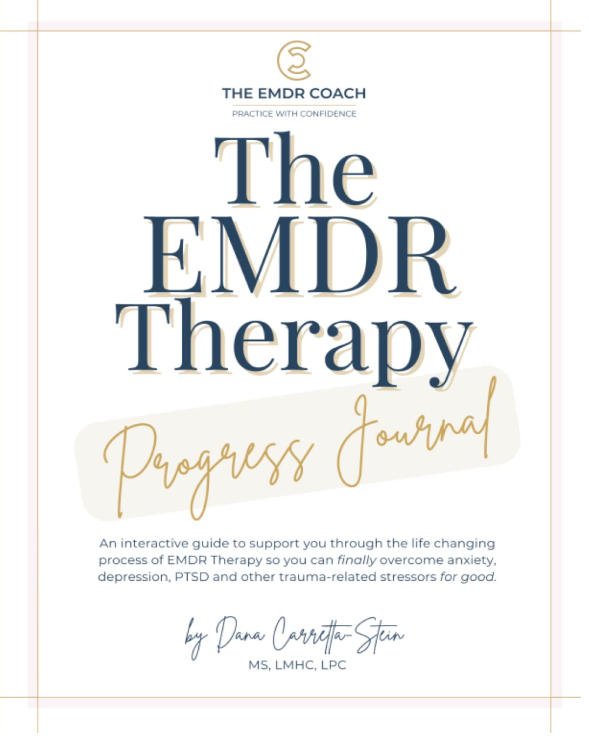
A powerful support tool for clients navigating eating disorder recovery, trauma healing, and body image work.
Track:
triggers
emotional patterns
nervous system states
insights between sessions
Read Relevant Blogs
Go Deeper in Your Healing Journey
🎁 Learn More About The EMDR Therapy Progress Journal
📚 Check out our blogs, where our therapists break down EMDR concepts, trauma education, and practical healing strategies you can start today.
You Are Allowed to Seek Support That Feels Safe
If the people around you do not understand your eating disorder or recovery, that does not mean you are alone or doing it wrong. Support exists in spaces where your experience is honored.
If you are in crisis, call 988 in the U.S. or your local emergency number.er.


Recovery is often stronger when you have multiple Among Us sources of support rather than relying on one person.
Working as a team in Bedwars feels like combining strategy with survival. You acquire resources, improve your equipment, defend your brittle base, and aim precisely at your enemies. There is tension, mayhem, and memorable comebacks in every brief bout.