.png)
How to Manage Stress Around the Holiday Dinner Table: Coping Tools From an Eating Disorder Therapist in Westchester
A trauma informed guide to navigating food, family, and recovery during the holidays

The holiday season is supposed to feel warm, connected, and joyful… and sometimes it is. But if you struggle with an eating disorder, body image concerns, or intrusive food thoughts, the dinner table can quickly become one of the most stressful places in the house.
Between comments about your plate, unsolicited weight talk, or family members moralizing food (“I’m being good today” / “I shouldn’t have that”), it’s no surprise that many people find their anxiety spiking long before the mashed potatoes even hit the table.
As an eating disorder therapist in Westchester, I want you to know this: You’re not the problem. The environment is triggering—and your nervous system is simply trying to protect you. Let’s break down why holiday meals feel so overwhelming and, more importantly, the tools you can use to stay grounded, connected, and true to your recovery.
Why Holiday Dinners Feel So Hard When You Struggle With Food
1. Food Talk Is Everywhere—and It’s Often Harmful
Most families don’t realize that their comments about dieting, calories, body size, or “earning” dessert can be deeply triggering. These conversations reinforce the same cycles you’re actively working to break.
And if you have a history of restricting, bingeing, purging, or compulsive food rules, hearing others obsess about food can make it harder to stay connected to your own cues.
2. Old Family Dynamics Resurface
The holiday table is basically a live reunion of every role you’ve ever played: the “good kid,” the “picky eater,” the “one who watches their weight,” or the “one people comment about.”
Even if you’ve grown, healed, and changed, certain comments or tones can send your nervous system straight back into survival mode.
3. You’re Navigating Recovery and Emotional Triggers
Most people think eating disorders are “about food,” but you know better—food stress is often a symptom of deeper emotional pain, trauma, overwhelm, or unmet needs. When you’re already stretched thin, a holiday dinner can feel like a perfect storm for dysregulation.
How to Cope With Distressing Food & Body Talk at Holiday Meals
These tools come straight from trauma-informed therapy, EMDR-informed grounding, and the work I do every day with clients navigating eating disorder recovery.
1. Have a Pre-Meal Coping Plan
Going in without a plan is like walking into a storm without an umbrella.
Your plan might include:
A grounding technique you’ll use if you start feeling overwhelmed
A prepared phrase to excuse yourself
A support person who knows what you’re working on
A post-meal routine (a walk, a call, a cozy activity, etc.)
Planning isn’t avoidance—it’s nervous system care.
2. Set Boundaries Around Body or Food Talk
This can be a direct statement or a quiet boundary with yourself.
Direct boundary example: “Hey, I’m working on healing my relationship with food, so I’d rather not talk about dieting or weight today.”
Quiet boundary example: When someone starts talking about weight or calories, mentally repeat: This is their relationship with food, not mine.
You don’t have to participate in conversations that harm you.
3. Use Sensory Grounding When You Feel Triggered
Try:
Feeling your feet on the floor
Taking one slow breath with a longer exhale
Noticing 3 colors in the room
Placing a grounding object (like a ring or bracelet) between your fingers
These techniques help pull you out of the “I need to escape right now” feeling and back into your body.
4. Build a Safe Plate
For many people in recovery, the hardest part of the holiday meal is plate anxiety. A “safe plate” means:
Choosing foods that feel physically and emotionally manageable
Letting yourself follow your recovery plan—not the table’s commentary
Giving yourself permission to stop when you’re satisfied or continue eating if you’re still hungry
You’re allowed to decide what your body needs.
5. Give Yourself Permission to Take Breaks
There is no trophy for surviving the entire meal without stepping away,
You can:
Go to the bathroom
Step outside for fresh air
Sit in a quiet room
Text a friend who gets it
Breaks are coping skills, not failures.
6. Prepare Reassuring Self-Talk Ahead of Time
Your inner dialogue matters.
Try repeating:
“I’m allowed to take up space.”
“My plate is no one’s business.”
“I’m doing the best I can.”
“I don’t have to earn or justify any food.”
“Recovery comes first. Always.”
Your nervous system responds to reassurance, even if part of you doesn’t fully believe it yet.
7. Nourish Yourself Before the Meal
Skipping meals to “prepare” for a holiday dinner might feel tempting, but it actually:
Increases anxiety
Intensifies hunger
Raises the risk of binge–restrict cycles
Makes the whole experience harder
Your body needs predictable nourishment to feel safe.
After the Meal: How to Reset Your Nervous System
Recovery doesn’t end with the last bite.
Here are gentle ways to care for yourself afterward:
Wrap up in a soft blanket
Watch a comforting show
Connect with someone supportive
Do a grounding technique
Journal about what felt activating—and what you handled well
You deserve to recognize your own strength, not just your stress.
Meet Stephanie Polizzi, Scarsdale Therapists.

Stephanie Polizzi, LMHC, is an eating disorder therapist at Peaceful Living Mental Health Counseling who specializes in trauma informed treatment for eating disorders, body image distress, anxiety, and food related triggers. Stephanie integrates EMDR therapy, somatic awareness, and relational healing to help clients build a safer and more compassionate relationship with food and their bodies.
Stephanie believes recovery is not about willpower. It is about nervous system safety, emotional support, and understanding the story your symptoms have been trying to tell. Her approach is warm, collaborative, and deeply grounded in trauma informed care.
About Peaceful Living Mental Health Counseling

PLMHC provides trauma informed therapy for kids, teens, and adults throughout Westchester and via virtual therapy in NY, NJ, CO, CT, and FL. Our practice uses evidence based approaches including EMDR, mindfulness based interventions, and somatic aware tools to help clients build safer, more peaceful relationships with themselves and their bodies.
Your healing does not have to be done alone.
EMDR Therapy Progress Journal
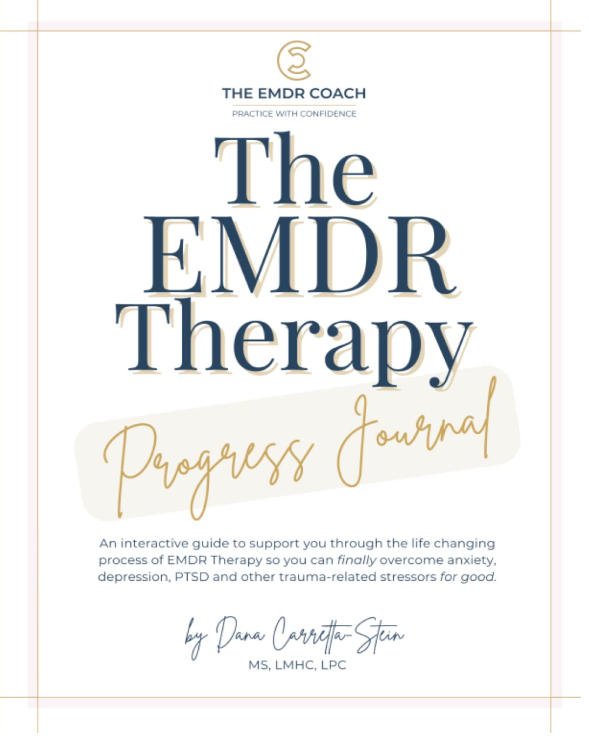
A powerful support tool for clients navigating eating disorder recovery, trauma healing, and body image work.
Track:
triggers
emotional patterns
nervous system states
insights between sessions
Read Relevant Blogs
Go Deeper in Your Healing Journey
🎁 Learn More About The EMDR Therapy Progress Journal
📚 Check out our blogs, where our therapists break down EMDR concepts, trauma education, and practical healing strategies you can start today.
You Don’t Have to Navigate Holiday Stress Alone
If holiday meals bring up anxiety, intrusive thoughts, or old patterns, therapy can help you build a more peaceful, compassionate relationship with food—and with yourself.
At Peaceful Living Mental Health Counseling, I specialize in trauma-informed therapy for eating disorders, including EMDR therapy for food-related triggers, shame, and body image pain. Whether you're looking for an eating disorder therapist in Westchester or prefer online therapy for eating disorders in NY, you deserve support that truly sees and understands you.
Ready to feel more grounded and supported this holiday season?
You deserve a holiday season—and a life—where you can breathe again.


Ragarding Safeway phone number I visited Supermarkets and was quite impressed with the level of customer service I received. The staff was attentive and genuinely helpful, making my shopping experience smooth and efficient. I appreciated how quickly they responded to my inquiries and the friendly demeanor they maintained throughout my visit. The store was well-organized, which made it easy to find what I needed. However, I did notice that during peak hours, the checkout lines could become quite long, which slightly detracted from the overall experience. Nonetheless, the quality of service and the cleanliness of the store left a positive impression, and I would certainly return for my grocery needs.