.png)
What Is an Overthinker
What Is an Overthinker and Why Does the Mind Get Stuck?

What is an overthinker? An overthinker is someone whose mind becomes stuck in repetitive thought patterns, often replaying past events or predicting future problems in an attempt to feel prepared or safe.
Overthinking is not a diagnosis. It is a pattern.
It can look like:
Replaying conversations long after they end
Analyzing every possible outcome before making a decision
Worrying about things that might go wrong
Second-guessing yourself constantly
Struggling to mentally “turn off” at night
If you relate to this, you are not weak or dramatic. Your brain may be trying to protect you.
Why Do Overthinkers Think So Much?
The brain is wired for survival. Its job is to anticipate danger.
For many overthinkers, thinking became a way to:
Avoid mistakes
Prevent rejection
Stay prepared
Reduce uncertainty
Maintain control
If you grew up in an environment that was unpredictable, critical, or stressful, your nervous system may have learned that constant mental scanning was necessary.
At one point, overthinking may have helped you cope.
The problem is that the brain does not always update when circumstances change. What once helped you survive can become exhausting later in life.
Overthinking and the Nervous System
Overthinking is often connected to a dysregulated nervous system.
When your body is in fight or flight mode, your brain becomes hyper-alert. It scans for potential threats and tries to solve problems before they happen.
This can create:
Racing thoughts
Difficulty relaxing
Trouble sleeping
Increased anxiety
Muscle tension
Your body feels unsafe, so your mind works overtime.
This is why telling an overthinker to “just stop thinking about it” rarely works. The pattern is rooted deeper than logic.
Is Overthinking the Same as Anxiety?
Overthinking and anxiety are closely connected, but they are not exactly the same.
Anxiety is the emotional and physical experience of fear or worry. Overthinking is often the cognitive expression of that anxiety.
In other words, anxiety fuels the thoughts. The thoughts then fuel more anxiety.
It becomes a loop.
Breaking that loop usually requires addressing both the nervous system and the thought patterns, not just one or the other.
Signs You Might Be an Overthinker
You may identify as an overthinker if you:
Struggle to make decisions without extensive analysis
Frequently imagine worst-case scenarios
Replay social interactions in your mind
Feel responsible for preventing problems
Have difficulty trusting your instincts
Feel mentally exhausted
Some overthinkers appear high-functioning on the outside. Internally, they may feel overwhelmed.
When Overthinking Is Linked to Trauma
For some individuals, overthinking is connected to trauma or chronic stress.
Trauma can narrow your window of tolerance, meaning your nervous system becomes more sensitive to potential threats. The brain responds by increasing vigilance and analysis.
You may notice:
Overthinking feels urgent or panicked
You expect something bad to happen
You struggle to relax even when things are going well
Small conflicts feel catastrophic
If this resonates, your overthinking may be less about personality and more about protection.
That distinction matters.
Can Therapy Help Overthinkers?
Yes. Trauma-informed therapy can help overthinkers by addressing both the mind and the nervous system.
Therapy may include:
Identifying triggers for rumination
Learning grounding and regulation skills
Expanding your window of tolerance
Processing underlying trauma through approaches like EMDR
Building self-trust and decision-making confidence
Over time, you may notice:
Thoughts feel less intense
You recover from stress more quickly
You can let go of conversations more easily
Sleep improves
Decisions feel more manageable
The goal is not to eliminate thinking. It is to create flexibility and relief.
Gentle Strategies for Overthinkers
While deeper healing often happens in therapy, here are small shifts that can help:
Notice the Pattern Without Judgment
Instead of “Why am I like this?” try “My nervous system is activated.”
Language matters.
Set Boundaries Around Worry Time
Give yourself a short window to think intentionally about a concern. When the time ends, shift to an activity that engages your body.
Engage in Body-Based Regulation
Movement, stretching, paced breathing, or holding something grounding can calm the nervous system more effectively than analyzing thoughts.
Practice Self-Compassion
Overthinkers are often hard on themselves. Self-criticism increases activation, which increases rumination.
Peaceful Living Mental Health Counseling

Peaceful Living Mental Health Counseling offers therapy in person in Scarsdale and Westchester, NY, and virtually in NY, NJ, CO, CT, and Florida.
We support individuals navigating anxiety, trauma, chronic stress, and life transitions.
You do not have to untangle overthinking alone.
Read Relevant Blogs
Go Deeper in Your Healing Journey
🎁 Learn More About The EMDR Therapy Progress Journal
📚 Check out our blogs, where our therapists break down EMDR concepts, trauma education, and practical healing strategies you can start today.
How The EMDR Therapy Progress Journal can support overthinkers
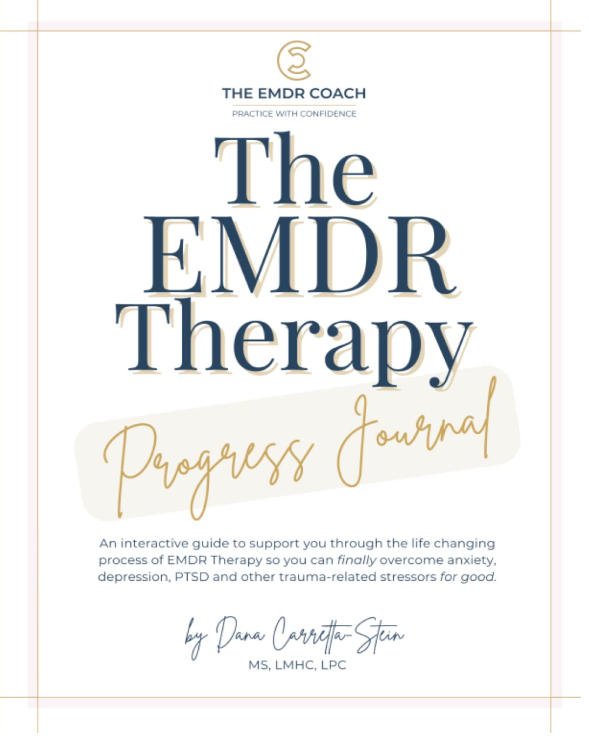
The EMDR Therapy Progress Journal was created to help clients slow down, track patterns, and make sense of what is happening between sessions.
For overthinkers, this journal can help you:
👉Get thoughts out of your head and onto paper
👉Notice triggers and patterns without spiraling
👉Track emotional shifts and progress over time
👉Feel more grounded and prepared for therapy sessions
The journal is not about fixing yourself. It is about creating space so your mind does not have to hold everything at once.
nal
Ready for Quieter Thoughts?
If you identify as an overthinker and feel exhausted by constant mental loops, support is available.
If you are in crisis, call 988 in the U.S. or your local emergency number.


An overthinker is someone whose mind gets stuck in loops, replaying conversations, forecasting disasters, and second-guessing every choice. It’s not weakness, it’s your brain trying to keep you safe. I know this well: last week, I spent an hour drafting a polite email about a subscription issue, then found myself on quad city times customer service to confirm I wasn’t overreacting. Turns out, my nervous system was in overdrive. Gentle grounding, not self-criticism, helps most.