.png)
Explore Peaceful Living MHC in Scarsdale: A Mental Health Care Approach
A trauma-informed, neuroscience-based path to healing and growth

When life feels overwhelming, and you find yourself stuck in a cycle of fear or confusion, seeking the right support can be a game changer. I want to share with you a place that offers a warm, evidence-based mental health care approach designed to help you heal and grow.
If you are ready to take that brave step, let’s explore what makes Peaceful Living MHC Scarsdale unique and how this approach can support your journey..
Understanding the Mental Health Care Approach at Peaceful Living MHC
Mental health care is not one-size-fits-all. It is a deeply personal process that deserves care, attention, and flexibility.
At Peaceful Living MHC Scarsdale, therapy is grounded in trauma-informed, neuroscience-based practices. This means your therapist is not just listening, they are helping your brain and body process what has happened to you in a way that supports real healing.
You might notice a shift from “What is wrong with me?” to “What happened to me?”
What this approach includes
Evidence-based methods grounded in research
Neuroscience-informed therapy that works with your nervous system
EMDR therapy to help reprocess and reduce the intensity of past experiences
This combination supports meaningful, lasting change, not just temporary relief.
The 5-Step Proven Process at Peaceful Living MHC Scarsdale

One of the most reassuring parts of starting therapy is knowing what to expect. At Peaceful Living MHC Scarsdale, care is guided by a clear, supportive 5-step process that meets you where you are.
1. Discovery Phase
This is where your story begins to be heard.
A low-pressure space to share what is bringing you in
Time to ask questions and explore your needs
A chance to see if the therapist feels like the right fit
There is no pressure to “have it all figured out.” Just showing up is enough.
2. Intake + Evaluation
Here, we begin to understand the full picture.
Explore your experiences, patterns, and challenges
Identify what may be contributing to current struggles
Move beyond surface-level symptoms
This step helps create clarity and direction for your care.
3. Treatment Planning
Healing works best when it is personalized.
Collaboratively set clear, meaningful goals
Define what progress looks like for you
Create a roadmap that feels manageable and realistic
You are part of this process every step of the way.
4. Treatment Phase
This is where deeper healing happens.
Use evidence-based approaches like EMDR
Build skills for regulation and emotional safety
Process experiences at a pace that feels right for you
The goal is not to rush, but to help you feel safer, more grounded, and more confident over time.
5. Graduation Phase
Healing does not end, it evolves.
Celebrate the progress you have made
Prepare for continued growth outside of therapy
Leave with tools, insight, and confidence
You move forward with a stronger foundation and a clearer sense of self.
Why This Mental Health Care Approach Works
Traditional therapy can help you understand your thoughts. Trauma-informed care helps your nervous system feel safe enough to change.
That difference matters.
Benefits you may experience
Improved emotional regulation
Reduced anxiety and trauma symptoms
Increased self-awareness
Healthier relationships
This approach is especially helpful if you have felt stuck in previous therapy experiences.
What is a Red Flag in Therapy?
It is important to feel safe and supported in therapy.
Watch for these signs:
Lack of empathy or connection
Feeling rushed into difficult work
Your concerns being dismissed
No clear plan or direction
A safer alternative
Therapy should feel collaborative, respectful, and paced to your needs.
At Peaceful Living MHC Scarsdale, your safety and voice are always prioritized.

How to Get Started with Peaceful Living MHC in Scarsdale
Starting therapy does not have to feel overwhelming.
Here is a simple path forward:
Reach out for a consultation
Ask questions about the approach
Notice how you feel in the conversation
Begin at a pace that feels right for you
Remember, you’re not alone. Many people have felt stuck and scared but found hope through this kind of care. If you want to learn more, you can explore peaceful living mhc scarsdale to see how they can support you.
About Peaceful Living Mental Health Counseling
Peaceful Living Mental Health Counseling offers in-person therapy in Scarsdale, NY and virtual
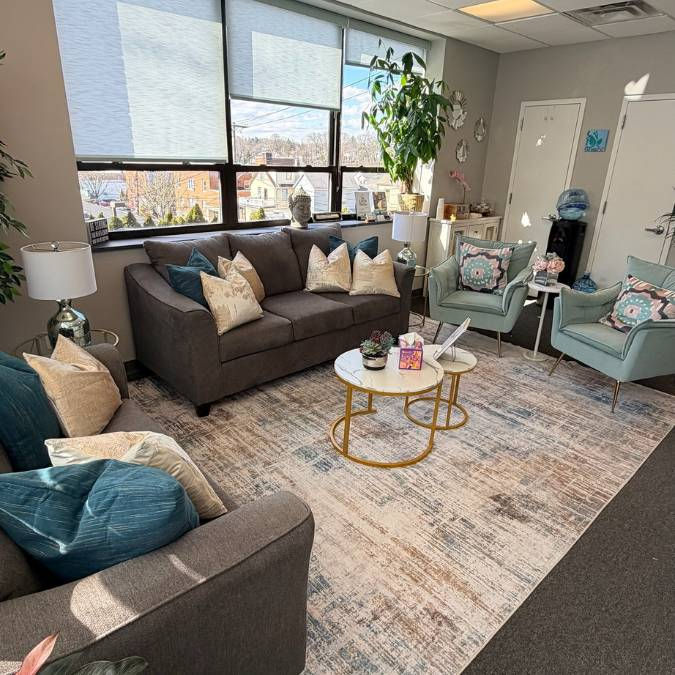
sessions across NY, NJ, CT, and FL.
Their approach centers on:
Trauma-informed care
Nervous system awareness
Evidence-based treatment
A compassionate, personalized experience
Healing is about understanding, not fixing.
Product Highlight: Support Between Sessions

The EMDR Therapy Progress Journal can help you stay connected to your healing between sessions.
Reflect on insights
Track emotional patterns
Support your therapy work
Relevant Blogs You May Find Helpful
Go Deeper in Your Healing Journey
🎁 Learn More About The EMDR Therapy Progress Journal
📚 Check out our blogs, where our therapists break down EMDR concepts, trauma education, and practical healing strategies you can start today.
Embracing Growth and Healing Every Day
Healing is not a destination but a journey. It’s about showing up for yourself, even on the hard days. With the right mental health care approach, you can start to rewrite your story. You can move from feeling lost to feeling empowered.
Here are some gentle reminders to keep in mind:
Be patient with yourself - Growth takes time and effort.
Celebrate small wins - Every step forward matters.
Stay curious - Explore your feelings without judgment.
Reach out when you need support - You don’t have to do this alone.
Practice self-care - Nourish your body and mind daily.
By embracing these practices alongside professional support, you create a strong foundation for lasting peace and well-being.
If you’re ready to take that next step, remember that healing is possible. With a compassionate, neuroscience-informed mental health care approach, you can find peace, clarity, and strength. Your journey starts now.


UU888 khiến mình để ý đến cách lớp bảo mật được tách khỏi khu vực giải trí khi mình đang sử dụng Bắn cá. Mình chuyển sang phần tài khoản để quan sát vị trí của các lựa chọn liên quan và cách bố cục thay đổi. Sự phân cấp này tạo dấu hiệu rõ để mình nhận biết lúc đang xử lý chức năng cá nhân. Sau khi hoàn thành phần cần xem, mình chọn Game bài từ menu chung mà không cần quay lại từng trang đã mở. Việc các lớp chức năng có vị trí riêng giúp mình theo dõi mục đích thao tác khá rõ, trong khi cấu trúc điều hướng vẫn giữ đường nối với những…
98WIN.COM làm mình quan tâm đến những dấu hiệu xuất hiện sau khi mình chuyển từ khu vực này sang khu vực khác. Mình thử đi từ thể thao sang casino rồi xổ số để quan sát cách giao diện thể hiện từng điểm đến. Tên danh mục và phần nội dung mới là những chi tiết mình nhìn trước để chắc rằng mình đã ở đúng khu rồi mới tiếp tục thao tác. Khi muốn quay lại hoặc đổi hướng, menu lại trở thành điểm định vị chính. Cách phản hồi rõ theo từng lần chuyển giúp mình không phải kiểm tra lại nhiều bước, đồng thời hành trình qua các khu vẫn giữ được trình tự dù mình thay…
Ở góc nhìn người dùng mới, rr88.select tạo cảm giác không quá khó tiếp cận dù có nhiều khu nội dung. Mình thử xem qua nổ hũ, bắn cá và xổ số để quan sát sự khác nhau giữa các nhịp trải nghiệm. Phần xổ số gây chú ý hơn nhờ các lựa chọn như Mega 6/45 và Siêu tốc, phù hợp với người thích kiểm tra kết quả nhanh. Khi chuyển sang bắn cá, cảm giác lại sinh động hơn nhưng vẫn không làm bố cục bị rối. Ngoài ra, giao diện tối giản giúp phần làm quen ban đầu nhẹ hơn. Với mình, một nền tảng rộng nên để người dùng bước vào từ những lựa chọn dễ hiểu…
Khi phân tích new888 ở phần bố cục, mình thấy các khu chính được giữ khá rõ trong cùng một hệ thống. Thể thao, slot game và xổ số đều có cách sử dụng riêng, nhưng không làm giao diện bị chia quá vụn. Mình thử nhìn luồng chuyển từ thể thao sang xổ số để xem cấu trúc có giữ được sự quen thuộc không. Cảm giác thao tác khá dễ theo, không phải quay lại nhiều bước. Ngoài ra, phần hướng dẫn sử dụng được đặt như một điểm hỗ trợ khi người dùng cần tra cứu. Với mình, bố cục tốt là bố cục làm cho nhiều chuyên mục trở nên dễ hiểu hơn thay vì gây thêm…
khi mình tiếp tục quan sát phimhay ở nhiều phiên truy cập khác nhau, mình thấy nền tảng này giữ được sự mạch lạc trong cách trình bày nội dung, hệ thống menu danh mục được sắp xếp rõ ràng giúp việc điều hướng diễn ra nhanh hơn, mình thấy phim kinh dị và phim hoạt hình được phân tách riêng nên việc lựa chọn không bị nhầm lẫn, trong lúc sử dụng mình thử hai nhóm nội dung này thì tốc độ tải ổn định, thao tác xem phim diễn ra khá thuận tiện