.png)
Emotional Regulation vs Suppression: What Healthy Coping Actually Looks Like
Updated: 3 days ago

Many people come to therapy believing they need to get rid of their emotions. They want to feel less anxious, less angry, less overwhelmed—ideally as quickly as possible. That makes sense. Emotions can feel intense, disruptive, or exhausting. Healthy coping works differently.
One of the most common misconceptions I see is the idea that emotional regulation means pushing feelings down, ignoring them, or “staying positive” at all costs.
It doesn’t. In fact, suppression often creates more distress over time.
Suppression vs. Regulation
Emotional suppression is about control. It sounds like:
“I shouldn’t feel this way.”
“If I ignore it, it will go away.”
“I need to calm down before I’m allowed to feel this.”
Suppression may work temporarily, especially if you’ve learned that emotions weren’t safe, welcomed, or allowed. But suppressed emotions don’t disappear. They tend to resurface as anxiety, irritability, numbness, physical tension, or emotional overwhelm that feels sudden and confusing.
Emotional regulation, on the other hand, is about relationship. It means learning how to notice emotions, tolerate them, and respond in ways that don’t harm you or others.
Regulation isn’t about feeling calm all the time. It's about feeling capable—even when emotions are strong.
What Healthy Coping Actually Means
Healthy coping doesn’t mean you always make the “right” choice or stay perfectly regulated. It means you have tools and awareness that allow you to recover more quickly and with less self-judgment.
Here’s what that often looks like in practice:
1. Naming What’s Happening
Before an emotion can settle, it usually needs to be acknowledged.
Simple statements like:
“I’m feeling anxious right now.”
“This situation is bringing up anger.”
“I notice a lot of tension in my body.”
Naming an emotion helps engage the thinking part of the brain and creates a small amount of space between you and the feeling. You’re not overwhelmed by it—you’re noticing it.
2. Allowing the Feeling Without Escalating It
Allowing doesn’t mean indulging or acting on the emotion. It means letting it exist without immediately trying to fix it or judge it.
This might sound like:
“I don’t like this feeling, but I can tolerate it.”
“This emotion makes sense given what I’m dealing with.”
“I don’t need to resolve this right now.”
Often, emotions intensify not because they’re dangerous—but because we’re fighting them.
3. Regulating the Body First
Emotional regulation is not just a mental process. The nervous system plays a major role.
Healthy coping often includes:
Slowing the breath
Grounding through the senses
Gentle movement
Taking a pause before responding
These strategies don’t make emotions disappear. They make them manageable.
4. Choosing a Response, Not a Reaction
When emotions are intense, reactions are fast and automatic. Regulation gives you a moment to choose.
That choice might be:
Taking space instead of engaging in an argument
Expressing a feeling clearly instead of shutting down
Asking for support instead of isolating
This is where growth happens, not in avoiding emotions, but in responding to them with intention.
Why Suppression Often Feels Necessary
Many people learned early that emotions were unsafe, inconvenient, or unwelcome. Suppression can be a survival strategy—especially for those who grew up needing to stay composed, helpful, or “easy.”
If suppression has been your primary coping tool, there’s nothing wrong with you. It means you adapted. Learning regulation doesn’t require unlearning everything at once. It starts with adding new options.
Healthy Coping Is a Skill, Not a Personality Trait
Some people believe they’re just “bad at emotions” or “too sensitive.” In reality, emotional regulation is a skill set—one that can be learned, practiced, and strengthened over time.
Progress often looks subtle:
Emotions still show up, but they don’t last as long
You recover more quickly after stress
You speak to yourself with less harshness
You feel less afraid of your internal experience
FAQ
Is emotional regulation the same as staying calm all the time?
No. Emotional regulation isn't about eliminating strong feelings or maintaining constant calm. It's about building the capacity to notice, tolerate, and respond to emotions without being overwhelmed by them, even when they're intense.
Why do I suppress my emotions instead of processing them?
Many people learn early on that emotions felt unsafe, inconvenient, or unwelcome, so suppression became a protective strategy. This is an adaptation, not a flaw. Learning to regulate doesn't mean unlearning everything at once; it starts with adding new tools alongside the old ones.
Can emotional regulation actually be learned, or are some people just naturally better at it?
Regulation is a skill, not a fixed personality trait. With practice, most people can strengthen their ability to name emotions, regulate their nervous system, and respond with more intention. Progress often looks like recovering more quickly after stress, not feeling nothing at all.
When should I consider working with a therapist on emotional regulation?
If suppression has been your main coping strategy for a long time, or if emotions feel unpredictable and hard to manage on your own, working with a trauma-informed therapist can help you build regulation skills in a supported, individualized way.
Why Choose Peaceful Living Mental Health Counseling?

If you're navigating anxiety, chronic stress, trauma, or feeling disconnected from your own body, you deserve care that meets you where you are. Our clinicians provide evidence-based, trauma-informed therapy in a space where you can feel safe, supported, and genuinely understood.
We offer:
Anxiety treatment
Stress management support
Individual therapy for children, teens, and adults
In-person sessions in Scarsdale and throughout Westchester County
Virtual therapy across New York, New Jersey, Connecticut, Colorado, and Florida
The EMDR Therapy Progress Journal
If you're trying t
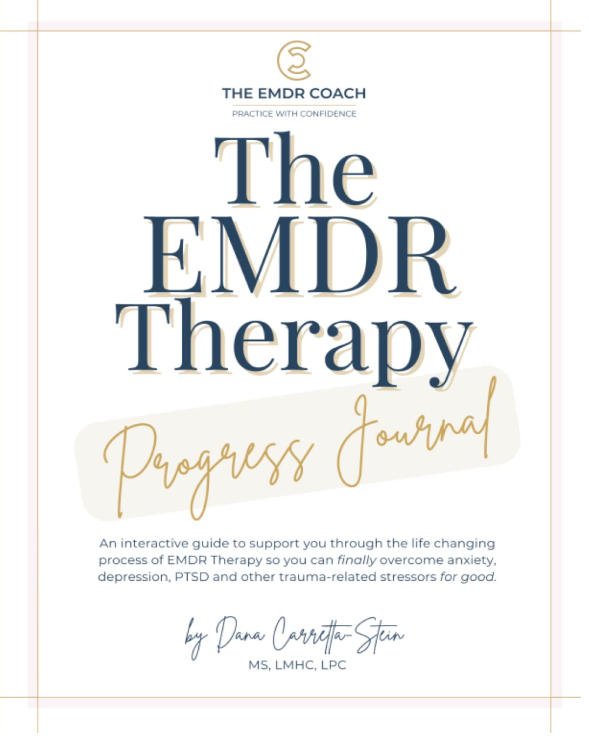
o better understand your emotional patterns, identifying what triggers your stress can make a meaningful difference.
The EMDR Therapy Progress Journal is a structured, downloadable resource designed to help you:
Track stress patterns
Identify emotional triggers
Notice changes in your nervous system
Reflect on your healing journey
Understanding your patterns can help you move from reacting to responding with greater awareness.
A More Compassionate Goal
Instead of asking, “How do I stop feeling this?” Try asking, “How can I support myself while this is here?”
Emotional health isn’t about elimination. It's about connection, safety, and trust in your ability to handle what arises. You don’t need to suppress your emotions to live peacefully. You need the tools to meet them with steadiness and care.
And that is something that can be built, one moment at a time. 🌿
Not sure if what you're feeling needs more than a chat window? Book a Consultation with Peaceful Living Mental Health Counseling and talk it through with a real, trauma-informed therapist.
This blog is for educational purposes only and is not a substitute for medical or mental health advice. If you are in crisis, call 988 in the U.S. or your local emergency number.


Really liked the point about regulation not meaning you have to ignore or push down what you’re feeling. That’s something I’ve been trying to get better at lately. I’ve also been reading through some Mindvalley reviews and exploring different approaches to mindfulness and personal growth. Definitely some useful ideas out there, but I think learning to actually sit with emotions is a big part of it too.