.png)
I've Been Using ChatGPT as My Therapist. Is That Actually Bad?
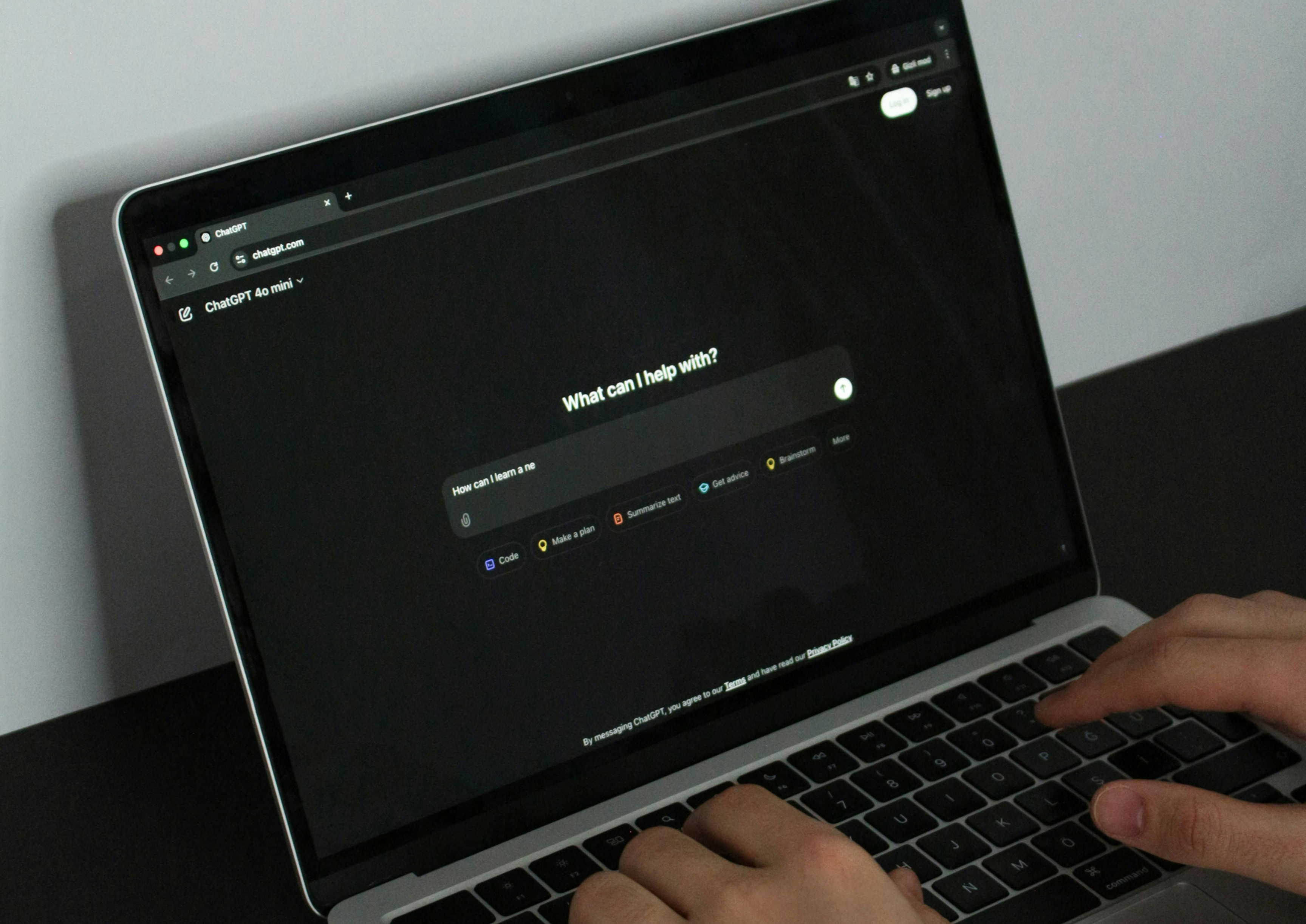
Using ChatGPT as a Therapist: What It Helps With, and What It Can't Do
If you've been using ChatGPT as a therapist late at night when nothing else is open, you're not alone, and you're not doing something shameful. Millions of people are typing their worst moments into a chat box because it's available, it's free, and it responds right away. The question underneath the question isn't really "is this bad." It's closer to "is this actually helping me, or is it quietly letting me avoid something I need real support for."
Here's the honest, non-judgmental answer: it depends on what you're using it for.
Why So Many People Are Turning to AI Instead of a Therapist
The appeal makes sense. A chatbot doesn't have a waitlist. It doesn't require insurance paperwork. It won't get tired, distracted, or visibly uncomfortable with what you share. For a lot of people, especially those who've felt dismissed or judged by past providers, that low-stakes access feels like relief.
There's also a nervous system piece worth naming. When something feels unsafe to say out loud to another human, typing it to an AI can feel like a smaller risk. That's not weakness. That's your system trying to find some way to process what's happening.
What ChatGPT Can Actually Help With
Used with clear boundaries, AI chat tools can be a decent supplement to your mental health toolkit:
Organizing your thoughts before a therapy session
Journaling prompts and daily reflection
Practicing how to say something hard before you say it to a real person
Basic psychoeducation, like understanding a term your therapist used
A first step for someone who isn't ready to talk to a human yet
Think of it less like a therapist and more like a structured notebook that talks back.
Is AI Therapy Safe for Trauma and Crisis? What ChatGPT Can't Do
This is where the nuance matters most, and where the honest answer gets less comfortable.
ChatGPT cannot read your body language, your tone shifts, or the pause before you answer a hard question. A trained trauma therapist is tracking dysregulation in real time, adjusting pacing, and slowing things down when your nervous system signals it isn't ready. AI has no way to sense that you've gone quiet because you're dissociating, not because you're thinking.
It also has no clinical judgment. If you disclose active suicidal thoughts, a history of abuse, or symptoms of dissociation, an AI tool cannot assess risk, cannot hold you accountable to a safety plan, and cannot legally or ethically intervene the way a licensed clinician can. It can generate supportive-sounding language, but supportive-sounding language is not the same as trauma-informed care.
And when it comes to actually processing trauma, not just talking about it, there is no substitute for structured, evidence-based treatment. Approaches like EMDR work with your brain's natural information processing system in a way a text generator simply cannot replicate. Trauma isn't resolved by finding the right words. It's resolved by your nervous system learning, in real time, with real co-regulation, that the danger is over.
Common Mistakes People Make When Using AI as a Substitute for Therapy
Mistake: Using it as your only outlet during a crisis.
Safer alternative: Keep the number for the 988 Suicide & Crisis Lifeline saved in your phone, and use AI only as a between-sessions tool, not a crisis plan.
Mistake: Assuming validation means accuracy.
AI tools are built to be agreeable. That can feel good in the moment, but it also means they rarely challenge a distorted thought the way a therapist trained to spot cognitive patterns will.
Mistake: Treating a chat log as a treatment plan.
Reflection is useful. It isn't the same as a clinician tracking your history, symptoms, and progress over time and adjusting care accordingly.
Mistake: Waiting until things get worse to ask for real help.
If you've noticed you're relying on ChatGPT more than on people in your life, that's often a sign your nervous system is asking for more support, not less.
A Both/And Approach, Not an Either/Or
You don't have to delete the app or feel guilty about the 2 a.m. conversations. Many of our clients use journaling apps, AI tools, and therapy together. The goal isn't to shame the coping tool that got you through a hard week. It's to make sure it isn't quietly replacing the deeper work your nervous system actually needs to heal.
Why Choose Peaceful Living Mental Health Counseling?

Whether you're living with anxiety, chronic stress, trauma, or feeling disconnected from your body, our clinicians provide evidence-based care in a safe, supportive environment.
We offer:
Anxiety treatment
Stress management support
Individual therapy for children, teens, and adults
In-person therapy in Scarsdale and throughout Westchester County
Virtual therapy throughout New York, New Jersey, Connecticut, Colorado, and Florida
The EMDR Therapy Progress Journal
If you're trying to better understand your emotional patterns, identifying what triggers your
stress can make a meaningful difference.

The EMDR Therapy Progress Journal is a structured, downloadable resource designed to help you:
Track stress patterns
Identify emotional triggers
Notice changes in your nervous system
Reflect on your healing journey
Understanding your patterns can help you move from reacting to responding with greater awareness.
Relevant Resources & Tools
The EMDR Therapy Progress Journal, for tracking real progress between sessions.
Not sure if what you're feeling needs more than a chat window? Book a Consultation with Peaceful Living Mental Health Counseling and talk it through with a real, trauma-informed therapist.
This blog is for educational purposes only and is not a substitute for medical or mental health advice. If you are in crisis, call 988 in the U.S. or your local emergency number.


This piece provides a fresh and compelling take on the subject. Your article is incredibly insightful and thought-provoking. merge fellas
Playing Drive Mad free is a nice way to fill a short break. I especially like restarting a tricky section and trying a different speed or landing angle.