.png)
Grieving the End of a Relationship When You Know It Was the Right Choice
Updated: Oct 12
When the End of a Relationship Was Necessary, but the Grief Still Lingers
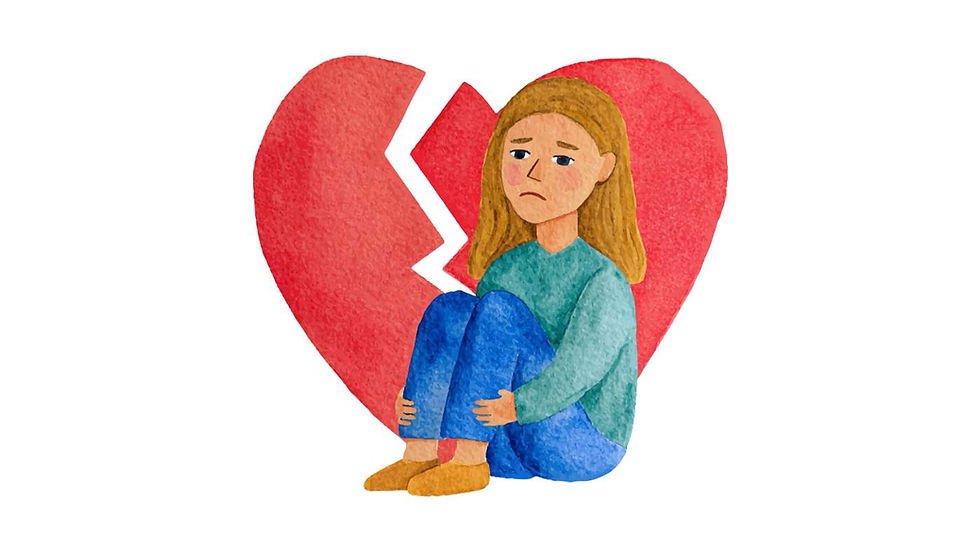
Ending a relationship can hurt deeply even when you know, logically, that it was necessary. Grieving the end of a relationship you chose to leave is still real grief.
This is one of the most confusing forms of grief. There is no dramatic betrayal. No obvious villain. Just a quiet knowing that staying would cost you more than leaving.
And yet, you still miss them.
Whether it was a romantic relationship, a friendship, or someone who once felt like family, the grief that follows can feel heavy, disorienting, and lonely. Many people ask themselves, “Why am I so sad if this was the right decision?”
Here is the truth most people are not told.
Grief does not mean you made the wrong choice.
You Can Grieve The End of a Relationship, What Ended and Still Honor Why It Had to End
Grief is not only about death. It is about loss.
When a relationship ends, you are not just grieving the person. You are also grieving:
The future you imagined with them
The version of yourself that existed in that relationship
The hope that things might eventually feel different
The effort you put in that never paid off the way you needed
Even when a relationship was unhealthy, misaligned, or quietly draining, it likely still met a need at one point. Losing that connection can activate sadness, anger, guilt, and relief all at the same time.
Two things can be true:
Ending the relationship was necessary for your well-being
Losing it still hurts
Holding both is not weakness. It is emotional honesty.
Why This Type of Loss Can Feel So Heavy
When the ending is your choice, grief often comes with extra layers.
Many people feel:
Guilt for walking away
Shame for not being able to “make it work”
Confusion about why they still care
Fear that they will regret the decision
If you have a history of anxiety, people-pleasing, trauma, or attachment wounds, this type of grief can hit even harder. Your nervous system may interpret the separation as danger, even if your rational brain knows it was the healthiest option.
This is especially true for people who are used to prioritizing others over themselves. Choosing yourself can feel deeply uncomfortable, even when it is necessary.
Grief Does Not Follow a Straight Line
One day you might feel peaceful and clear. The next day you might miss them intensely.
This does not mean you are “backsliding.”
Grief is not linear. It comes in waves. Sometimes the grief is about the person. Other times it is about the loneliness, the change in routine, or the space they used to fill.
Allowing yourself to grieve does not pull you backward. It allows your nervous system to process the loss instead of staying stuck in it.
Signs You Are Grieving a Healthy Ending
People often minimize this kind of grief because the relationship was not “right” anymore. But your body and emotions still need space to process the loss.
You may notice:
Thinking about them more than you expected
Feeling emotional at random times
Questioning yourself, even after feeling sure
A sense of emptiness or restlessness
Wanting closure that you logically know may never come
These reactions are normal. They do not mean you should go back. They mean something mattered.
What Actually Helps You Move Through This Type of Grief
Grieving a necessary ending is not about rushing to feel better or convincing yourself it “wasn’t that bad.” That usually creates more emotional tension.
What helps instead:
Letting the grief exist without judging it
Naming what you lost, not just why it ended
Separating sadness from regret
Supporting your nervous system through the transition
Exploring how past attachment patterns may be getting activated
This is where trauma-informed therapy can be especially helpful. Grief that lingers or feels confusing often connects to earlier relational experiences that taught you how to attach, tolerate discomfort, or stay too long.
Working with a therapist allows you to process the loss without abandoning yourself in the process.
You Are Allowed to Choose Peace and Still Feel Sad
Ending a relationship does not require emotional numbness to be valid.
You can miss someone and still know you cannot go back.
You can love parts of the relationship and still know it was not sustainable.
You can grieve what was and still move toward something healthier.
Choosing peace does not mean the grief disappears. It means you trust yourself enough to walk through it.
Meet the Therapist: Stephanie Polizzi, LMHC

Stephanie Polizzi is a trauma-informed therapist at Peaceful Living Mental Health Counseling who specializes in EMDR therapy, attachment wounds, anxiety, and relationship-based grief.
Stephanie works with clients who feel stuck in self-doubt after difficult endings, especially when the loss was necessary but still painful. Her approach is warm, collaborative, and grounded in helping clients reconnect with their inner clarity and emotional safety.
She believes healing begins when we stop asking, “What is wrong with me?” and start asking, “What happened to me, and what do I need now?”
About Peaceful Living Mental Health Counseling

Peaceful Living Mental Health Counseling provides trauma-informed therapy for children, teens, and adults.
We offer in-person sessions in Scarsdale and throughout Westchester County, as well as virtual therapy for clients located in New York, New Jersey, Colorado, Connecticut, and Florida.
Our clinicians specialize in EMDR therapy, anxiety, grief, relationship trauma, and attachment wounds, with a focus on helping clients feel safer in their bodies and more trusting of themselves.
The EMDR Therapy Progress Journal
When you are grieving the end of a relationship, it can be hard to track what you are actually
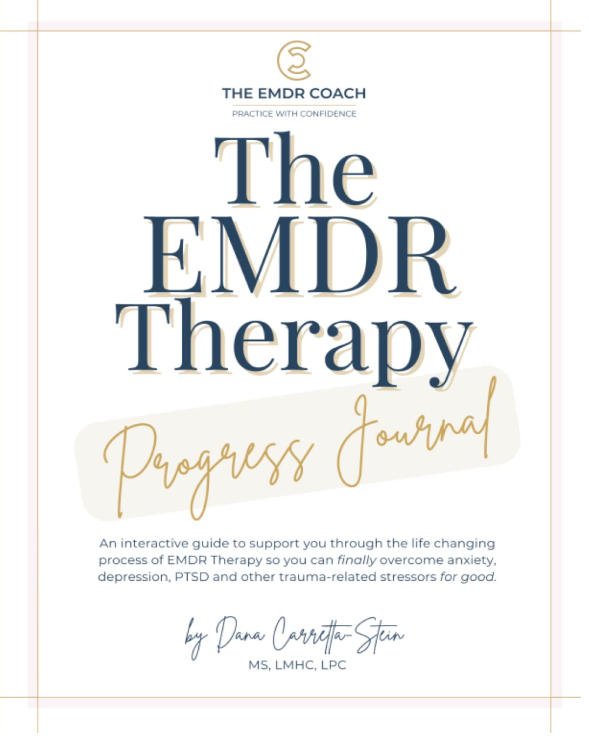
healing versus what still feels raw. Many people feel stuck in their thoughts, replaying the same questions without clarity or relief.
The EMDR Therapy Progress Journal is a gentle, structured tool designed to support emotional processing between therapy sessions. It helps you:
Notice patterns in your grief without judgment
Track emotional shifts over time, even subtle ones
Separate sadness from self-blame or regret
Reflect on triggers, insights, and moments of growth
Stay connected to your healing process without pushing yourself too fast
For clients navigating relationship loss, this journal can provide a sense of grounding and continuity, especially when emotions feel unpredictable or overwhelming.
Used alongside trauma-informed therapy or EMDR, the journal supports nervous system awareness, self-compassion, and integration at your own pace.
Read Relevant Blogs
Go Deeper in Your Healing Journey
🎁 Learn More About The EMDR Therapy Progress Journal
📚 Check out our blogs, where our therapists break down EMDR concepts, trauma education, and practical healing strategies you can start today.
Ready for Support?
If you are struggling to move on from a relationship that you know had to end, therapy can help you process the grief without losing your sense of self.
At Peaceful Living Mental Health Counseling, we offer trauma-informed therapy and EMDR for individuals navigating relationship loss, complicated grief, anxiety, and attachment wounds.
👉 Learn more about working with Stephanie Polizzi, EMDR Therapist
👉 Explore our approach to trauma-informed therapy in Westchester and via telehealth
You do not have to rush your healing. You just do not have to do it alone.


La información sobre Magistv está presentada de manera sencilla y puede resultar útil para quienes investigan antes de instalar. Conviene revisar los requisitos técnicos, comprobar los permisos solicitados y verificar cuidadosamente la procedencia del software antes de utilizarlo.
Me encantó ver cómo Daniela y Austin lograron combinar sus estilos para crear un hogar tan acogedor y lleno de personalidad. La transformación es realmente inspiradora. Mientras disfrutaba la lectura, también consulté Números Que Más Salen, una referencia interesante para quienes buscan información útil. ¡Excelente publicación!
I can relate to the feeling of grief even when it's the right choice to end a relationship. It's a complex emotion that's often overlooked. The password game helps me navigate through these feelings, reminding me that it's okay to grieve and heal.
What a thought-provoking post! It's fascinating how you highlight the complexity of grief even when a breakup feels like the right choice. I think that embracing those conflicting emotions is so crucial, much like how FNAF invites us to face our fears head-on despite knowing what’s lurking in the shadows. Perhaps exploring creative outlets—like journaling or art—could be another way to process these feelings after a relationship. What do you think?
Geometry Dash Lite evaluates players' timing abilities and assists them in overcoming obstacles through rhythm-based platforming. Concentration and dedication are strengthened with each jump, challenge, and retry, transforming minor victories into noteworthy individual achievements.