
Couples Therapy in Scarsdale: What Happens in the First 3 Sessions?

One of you probably suggested it first.
The other may have agreed, a little hesitantly.
Now you're both wondering the same thing: what actually happens in that room?
Starting couples therapy in Scarsdale can feel vulnerable. It helps to know that the first few sessions are less about deciding who is right and more about understanding what is happening between you.
Here's what typically happens in the first three sessions, and how to prepare.
What Happens in the First Sessions of Couples Therapy in Scarsdale?
The first sessions of couples therapy in Scarsdale usually focus on assessment. Your therapist meets with you together, often meets with each partner individually, and then shares observations and a plan. The goal is to understand your relationship's strengths, the patterns that keep you stuck, and what each of you hopes will change.
Key Takeaways
Early sessions are about understanding, not judging or taking sides.
Many couples therapists, including those using the Gottman Method, include individual sessions in the assessment.
By the third session, you should have a clearer picture of your goals and next steps.
Session 1: Your Story as a Couple
In the first session, you'll meet together with your therapist. You can expect to talk about:
What brought you to therapy now
How you met and what drew you to each other
What's working in your relationship
What feels hardest right now
What each of you hopes will be different
Your therapist may also observe how you communicate with each other. Expect some nerves. That's normal.
Session 2: Individual Perspectives
Many couples therapists meet with each partner individually during the assessment phase. This gives each person space to share their history, family background, and perspective on the relationship.
Is Couples Therapy in Scarsdale Confidential Between Partners?
Your therapist will explain their policy at the start. Many couples therapists use a "no secrets" approach in couples work, which means they won't hold information from one partner that affects the relationship. Ask about this upfront so you both know what to expect.
Session 3: Feedback and a Plan
In the third session, you'll usually meet together again. Your therapist may:
Share what they see as your relationship's strengths
Name the patterns that keep conflict going
Suggest goals for therapy
Explain the approach they recommend, such as the Gottman Method
This is a good time to ask questions and make sure you both feel heard in the plan.
How to Prepare for Your First Couples Session
Talk briefly beforehand about what you each hope to get out of therapy
Agree not to "save up" arguments for the session
Come with curiosity, not a case to prove
Expect discomfort, and know that it often means important things are being discussed
A note on safety: if your relationship involves threats, intimidation, or physical harm, couples therapy may not be the right first step. Individual support and safety planning come first. The National Domestic Violence Hotline is available 24/7 at 1-800-799-7233.
Frequently Asked Questions
How long does couples therapy in Scarsdale usually last?
It varies by couple. Some couples come for a focused set of sessions around a specific issue, while others work longer on deeper patterns. Your therapist will review progress with you along the way.
What if only one of us wants to go?
That's common. Many hesitant partners feel more comfortable after the first session. If your partner isn't ready, individual therapy can still help you understand the relationship and your part in it.
Do we have to be married to go to couples therapy?
No. Couples therapy is for any couple, whether you're dating, engaged, married, or deciding what comes next.
Is couples therapy only for relationships in crisis?
No. Many couples come to strengthen communication, prepare for big transitions, or reconnect after a stressful season.
Meet Dana Carretta-Stein
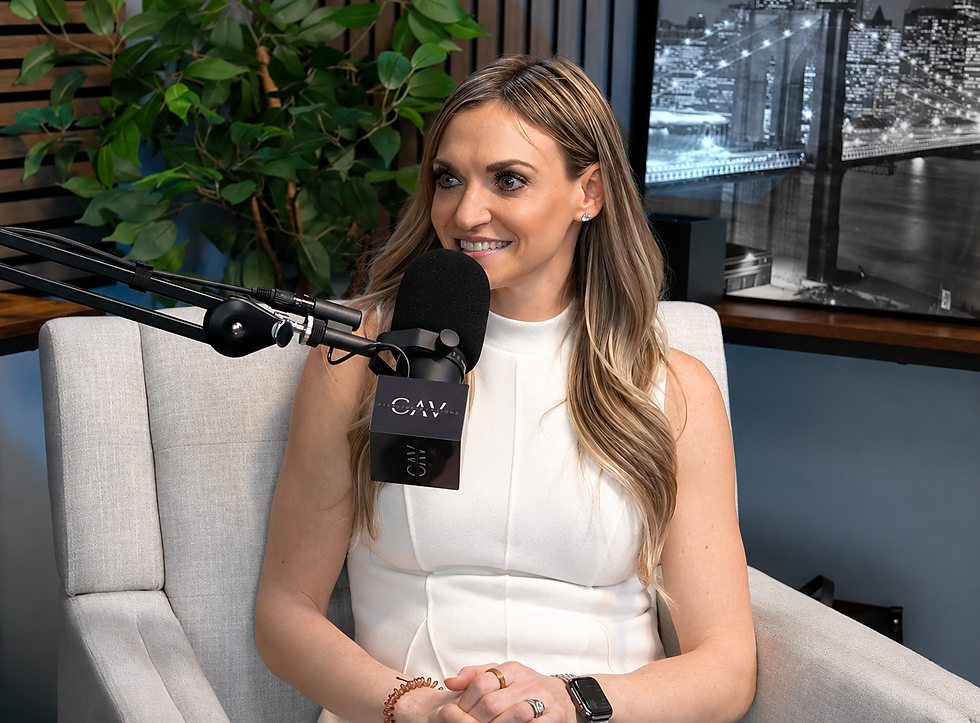
Dana Carretta-Stein, LMHC, is the CEO of Peaceful Living Mental Health Counseling in Scarsdale, NY, and the host of The Truth About Healing podcast.
She holds an M.S. in Mental Health Counseling from Pace University, is licensed as an LMHC in New York and Florida and as an LPC in Connecticut, and is an EMDRIA Certified therapist and EMDRIA Approved Consultant. Her work focuses on trauma, anxiety, and parenting, including PTSD and complex PTSD, panic attacks, chronic stress, and EMDR therapy.
Why Choose Peaceful Living Mental Health Counseling?

Peaceful Living Mental Health Counseling supports couples, individuals, and families experiencing conflict, disconnection, trust concerns, life transitions, stress, and trauma.
We offer:
Couples therapy, including the Gottman Method
Relational therapy
Individual therapy for adults, teens, and children
Trauma-informed therapy and EMDR therapy
Anxiety treatment
In-person therapy in Scarsdale and throughout Westchester County
Virtual therapy throughout New York, New Jersey, Connecticut, Colorado, and Florida
We provide in-person therapy at our office at 188 Summerfield Street in Scarsdale and throughout Westchester County, with virtual therapy options for eligible clients in states where our clinicians are licensed.
You don't have to wait for things to fall apart to invest in your relationship.
The EMDR Therapy Progress Journal

For individuals already participating in EMDR therapy, the EMDR Therapy Progress Journal provides a private, structured way to reflect on emotions, triggers, body responses, and patterns between therapy sessions.
The journal is designed to complement EMDR therapy, not replace professional mental health care.
Relevant Resources & Tools
This blog is for educational purposes only and is not a substitute for medical or mental health advice. If you are in crisis, call or text 988 in the U.S. or your local emergency number.


Comments