.png)
When Recovery Feels Impossible: Why Hope Matters in Healing from an Eating Disorder

If you are reading this, chances are you have carried the thought, “I don’t think I can ever fully recover.”
Maybe you have been struggling for years. Maybe you tried treatment before and felt like you failed. Or maybe recovery feels too big, too exhausting, or simply out of reach right now.
You are not alone in that feeling. Many people living with eating disorders share this same fear, the belief that no matter what they do, things will never truly change.
But here is the truth, even if it feels hard to accept today: full recovery is possible. Not just for other people. Not just in theory. For you, too.
Why Eating Disorder Recovery Can Feel So Hard to Believe
Eating disorders are powerful. They are not habits or phases. They are illnesses that deeply affect the brain, the nervous system, and a person’s sense of self.
Over time, an eating disorder can convince you that you are broken, unworthy, or beyond repair. It thrives on doubt and feeds on hopelessness. When you are stuck in that cycle, recovery can feel like standing at the bottom of a mountain you could never possibly climb.
If you have tried to recover before and relapsed, the fear can feel even stronger. Your mind may tell you, “See, this is proof it won’t work.”
But relapse does not mean failure. It means your system needed more support, different tools, or more time.
Here is something important to remember: you do not need to fully believe in recovery to begin moving toward it. Even the smallest spark of willingness, showing up to one appointment, eating one challenging meal, or reading something like this, is enough to keep the process going.
Recovery Does Not Mean Perfection
When people hear the phrase “full recovery,” they often imagine a life where food is never stressful, body image is always positive, and every day feels easy.
That version of recovery is not realistic, for anyone.
Recovery does not mean you will never have a hard thought or a tough day. All humans do. Recovery means those thoughts no longer run your life.
True recovery looks like:
Freedom from constant food and body obsession
Flexibility around eating instead of rigid rules
Space to care about relationships, work, and joy
The ability to respond to stress without using disordered behaviors
In other words, recovery is not about being perfect. It is about regaining your life.
You Do Not Have to Do This Alone
One of the hardest parts of eating disorder recovery is how isolating it can feel. The disorder often tells you that no one really understands, or that asking for help means you are weak.
That is not true.
It is okay if you do not believe in your own recovery right now. Your therapist, treatment team, and support system can hold that hope for you until you are ready to hold it yourself. Borrowing belief is part of healing.
Every meal you complete, every therapy session you attend, every time you challenge an eating disorder thought, you are building evidence that change is possible. Progress happens quietly, in small, steady steps.
A Different Future Is Possible
Try to imagine your life one year from now if you keep taking those small steps, even when it feels uncomfortable.
Imagine being able to eat out with friends without panic. Imagine having mental space for hobbies, creativity, and connection. Imagine making decisions based on your values instead of fear.
It may feel impossible today. But many people who once felt exactly as you do now are living full, meaningful lives free from their eating disorders.
You are not different in a way that makes recovery impossible. You have the same capacity for healing.
A Final Word of Hope
If you are doubting your ability to recover, please hear this: your eating disorder is lying to you.
You are not too far gone. You are not beyond help. You are not failing because recovery feels hard.
You do not need endless motivation or perfect confidence. You only need enough willingness to keep going today.
Recovery is not about getting it right every time. It is about choosing life, again and again, even on the days when hope feels thin.
And you are worthy of that life.
Meet the Therapist: Stephanie Polizzi, LMHC

Stephanie Polizzi is a trauma-informed therapist at Peaceful Living Mental Health Counseling who works with individuals struggling with eating disorders, disordered eating, body image concerns, and co-occurring anxiety or trauma.
Stephanie brings a compassionate, nonjudgmental approach to therapy, helping clients feel safe enough to explore their relationship with food, their bodies, and themselves. She understands how deeply eating disorders are connected to control, self-worth, and nervous system regulation, and she works collaboratively with clients to build trust, stability, and sustainable change.
Stephanie believes recovery is not about willpower, but about support, understanding, and meeting clients exactly where they are. Her work is grounded in the belief that healing is possible, even when hope feels hard to access.
About Peaceful Living Mental Health Counseling

Peaceful Living Mental Health Counseling provides trauma-informed therapy for children, teens, and adults.
We offer:
👉Virtual therapy across NY, NJ, CO, CT, and FL
👉In-person therapy in Scarsdale and Westchester, NY
👉Support for eating disorders, trauma, anxiety, and body image concerns
Our clinicians focus on helping clients feel safer in their bodies and more connected to their lives.
EMDR Therapy Progress Journal
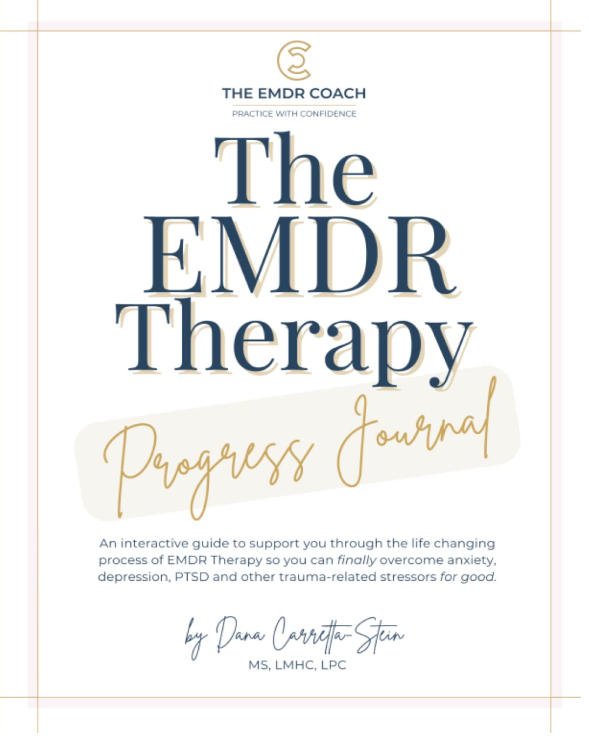
A powerful support tool for clients navigating eating disorder recovery, trauma healing, and body image work.
Track:
triggers
emotional patterns
nervous system states
insights between sessions
Read Relevant Blogs
Go Deeper in Your Healing Journey
🎁 Learn More About The EMDR Therapy Progress Journal
📚 Check out our blogs, where our therapists break down EMDR concepts, trauma education, and practical healing strategies you can start today.
Ready to Take the Next Step?
If you or someone you love is struggling with an eating disorder, support is available and recovery is possible.
If you are in crisis, call 988 (U.S.) or your local emergency number.


What helped wasn’t a sudden burst of hope; it was tiny, stubborn choices: texting my therapist before breakfast, letting a friend sit with me while I ate, even just reading posts like this. Some days recovery looked like one bite. I also found it grounding to check practical stuff, like https://ubereats.pissedconsumer.com/review.html, to feel in control of small routines. You’re not broken. Keep going, one step, one meal, one day.