.png)
Spring Is Coming: Body Image Issues Don’t Define You
A trauma-informed approach to handling body image issues as the seasons change

There’s something about the first warm day that hits differently.
The air softens. The sun lingers a little longer. You start thinking about being outside again, wearing lighter clothes, making plans. And almost instantly, for so many people I work with, another thought creeps in:
"I need to change my body."
Let me be really direct with you, because that’s how I show up for my clients:
You do not need to change your body to deserve to enjoy your life.
Not for spring. Not for summer. Not for anyone.
Where This Pressure Actually Comes From
That urgency you feel? It’s not random.
It’s years of messaging that says your worth is tied to how your body looks. It’s diet culture and body image issues getting louder when the weather gets warmer. It’s comparison, old beliefs, and sometimes deeper wounds around control, acceptance, and self-worth.
And if you struggle with disordered eating or body image, this time of year can feel especially intense. You might notice:
More body checking
More intrusive thoughts about food or weight
Urges to restrict, binge, or over-exercise
Feeling like you’re “behind” or “not ready”
If that’s you, I want you to hear this clearly:
Nothing is wrong with you. Your nervous system is responding to pressure it’s learned to recognize.
And we can work with that. Not by forcing change. But by building a different relationship with yourself.
The Truth No One Says Loud Enough
Confidence is not something you earn once your body looks a certain way.
Confidence is something you practice while your body stays exactly as it is.
Because if your confidence is conditional, it will always move the goalpost.
If Confidence Feels Hard Right Now, Start Here
I’m not going to tell you to “just love your body.” That’s not realistic for most people, especially if you’ve been struggling for a long time.
Instead, let’s make this doable.
1. Shift from “love” to “respect”
You don’t have to love your body today. But can you treat it with basic respect?
That might look like:
Eating consistently, even when your brain tells you not to
Letting your body rest when it’s tired
Wearing clothes that fit you now, not ones you’re trying to shrink into
Respect is often the first step before love.
2. Notice the thoughts without obeying them
Your brain might say:
“You shouldn’t wear that”
“People are going to judge you”
“You need to fix this first”
Thoughts are not commands.
Practice noticing them like background noise instead of instructions you have to follow.
3. Get curious instead of critical
This is where real change happens.
Instead of: “What’s wrong with me?”
Try: “What is this part of me trying to protect me from?”
There’s always a reason your system developed these patterns. Understanding that is more powerful than shaming it.
4. Expand your world beyond your body
When your life gets smaller, your body gets louder.
Ask yourself:
What actually matters to me this season?
Who do I want to spend time with?
What experiences have I been putting off?
Your life is meant to be bigger than your body.
5. Let yourself be seen anyway
This one is uncomfortable. And it’s also where confidence grows.
Wear the outfit. Go to the event. Take the picture.
Not because you feel 100% ready, but because your life is happening now.
A Different Way to Experience This Season
What if this spring wasn’t about changing your body?
What if it was about:
Feeling the sun on your skin without judgment
Going out without calculating what you ate that day
Being present instead of preoccupied
That kind of freedom is possible. But it doesn’t come from shrinking yourself.
It comes from doing the deeper work of healing your relationship with food, your body, and your nervous system.
Meet the Therapist: Stephanie Polizzi

Stephanie Polizzi is a trauma-informed therapist at Peaceful Living Mental Health Counseling who works with children, teens, and adults navigating anxiety, life transitions, and the lasting impact of difficult experiences.
Stephanie’s approach is warm, collaborative, and grounded in the belief that your symptoms make sense in the context of what you have been through. She creates a space where clients feel safe, understood, and not rushed.
She integrates evidence-based approaches, including EMDR therapy, to help clients process past experiences while building present-day coping skills. Stephanie is especially attuned to how the nervous system responds to stress and trauma, and she works at a pace that supports regulation, not overwhelm.
Clients often describe Stephanie as steady, compassionate, and easy to talk to. She helps people make sense of their experiences without judgment and supports them in reconnecting with clarity, confidence, and emotional balance.
About Peaceful Living Mental Health Counseling

At Peaceful Living Mental Health Counseling, we provide trauma-informed therapy for children, teens, and adults.
Our work is rooted in understanding your story, not labeling what is “wrong” with you. We specialize in helping clients navigate anxiety, trauma, eating disorders, and life transitions with care that is compassionate, structured, and effective.
We offer in-person sessions in Scarsdale and virtual therapy across NY, NJ, CO, CT, and FL.
You Don’t Have to Do This Alone
If you’re feeling stuck in patterns with food, body image, or self-worth, this is exactly the work I do.
As an eating disorder therapist, I help clients:
Break out of binge/restrict cycles
Reduce obsessive thoughts about food and weight
Build real, sustainable confidence
Heal the underlying patterns driving it all
You deserve support that actually works, not just more pressure to “fix” yourself.
👉 Ready to start healing your relationship with food and your body? Visit our page on eating disorder therapy in Westchester or reach out to book a consultation.
This season is not a deadline for your body.
It’s an opportunity to show up differently for yourself.
And that matters a lot more.
EMDR Therapy Progress Journal
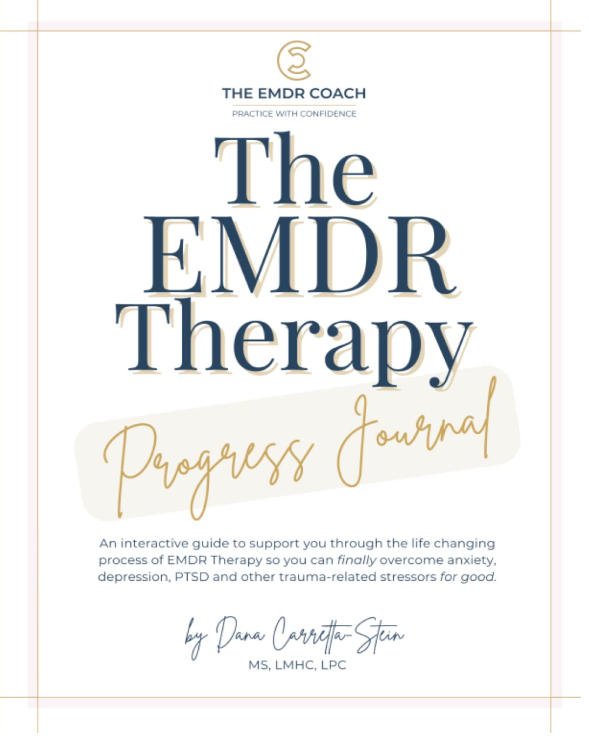
A powerful support tool for clients navigating eating disorder recovery, trauma healing, and body image work.
Track:
triggers
emotional patterns
nervous system states
insights between sessions
Read Relevant Blogs
Go Deeper in Your Healing Journey
🎁 Learn More About The EMDR Therapy Progress Journal
📚 Check out our blogs, where our therapists break down EMDR concepts, trauma education, and practical healing strategies you can start today.
A Simple Way to Track Your Healing Between Sessions

Healing does not only happen in the therapy room. Often, the shifts you are making show up in small, everyday moments that are easy to overlook.
The EMDR Therapy Progress Journal is designed to help you gently track those changes. It gives you space to reflect on your thoughts, emotions, and patterns in a way that feels structured but not overwhelming.
Many clients find that writing things down helps them:
Notice progress they might otherwise miss
Stay connected to what they are working on in therapy
Better understand their triggers, responses, and growth over time
This is not about doing therapy “perfectly.” It is about creating a space to stay curious about your experience and support your healing at your own pace.
If you are looking for a simple way to stay grounded between sessions, this can be a helpful addition to your therapy work.


Comments